
Timeline of the March 2026 Core Update
The March 2026 core update had a clear and concise timeline. It started on March 27 and concluded on April 8. Google completed the rollout in just 12 days. This is faster than the previous December 2025 core update, which took 18 days. This quick turnaround aligns with Google's pattern of making updates more efficient over time. The update was the third confirmed change to Google's ranking systems in a short span of five weeks. It followed the February Discover core update, which was completed on February 27. It also followed a spam update that rolled out on March 24-25. The sequence of these updates suggests a smart approach to improving content quality and relevance. Roger Montti from Search Engine Journal pointed out that the spam update likely helped the core update's power. By addressing spam first, Google may have cleared low-quality content. This allowed for a more accurate reassessment of quality signals during the core update. This method highlights Google's commitment to refining its search algorithms constantly. This swift update process means that website owners can quickly analyze the impact on their rankings. With a shorter rollout, businesses can adjust their SEO plans in response to changes more rapidly. Understanding this timeline helps SEO professionals prepare for future updates and their potential effects.Impact of the March Update on SEO Rankings
The March 2026 core update had a notable impact on SEO rankings across various websites. This update aimed to enhance the quality of content that appears in search results. As a result, many sites experienced changes in their rankings, with some rising while others fell. Pro Tip: The March 2026 core update was completed in just 12 days, making it one of the fastest rollouts in Google's history, according to the Google Search Status Dashboard. This shift in rankings means that website owners must closely monitor their performance after the update. Google recommends waiting at least one full week after the rollout's completion before making any conclusions about changes in rankings. This period allows for a more accurate assessment of how the update has affected individual sites. Website owners should consider their baseline performance. Comparing data from weeks before the update against post-update performance will offer insights into how the core update has influenced their rankings. Analyzing this data will help businesses understand whether their content is meeting Google's evolving quality standards. Understanding the impact of the March update is key for adapting SEO plans. For those who find their rankings have dropped, reassessing content quality and relevance may be necessary. By focusing on delivering high-quality, satisfying content, businesses can improve their chances of recovering lost rankings.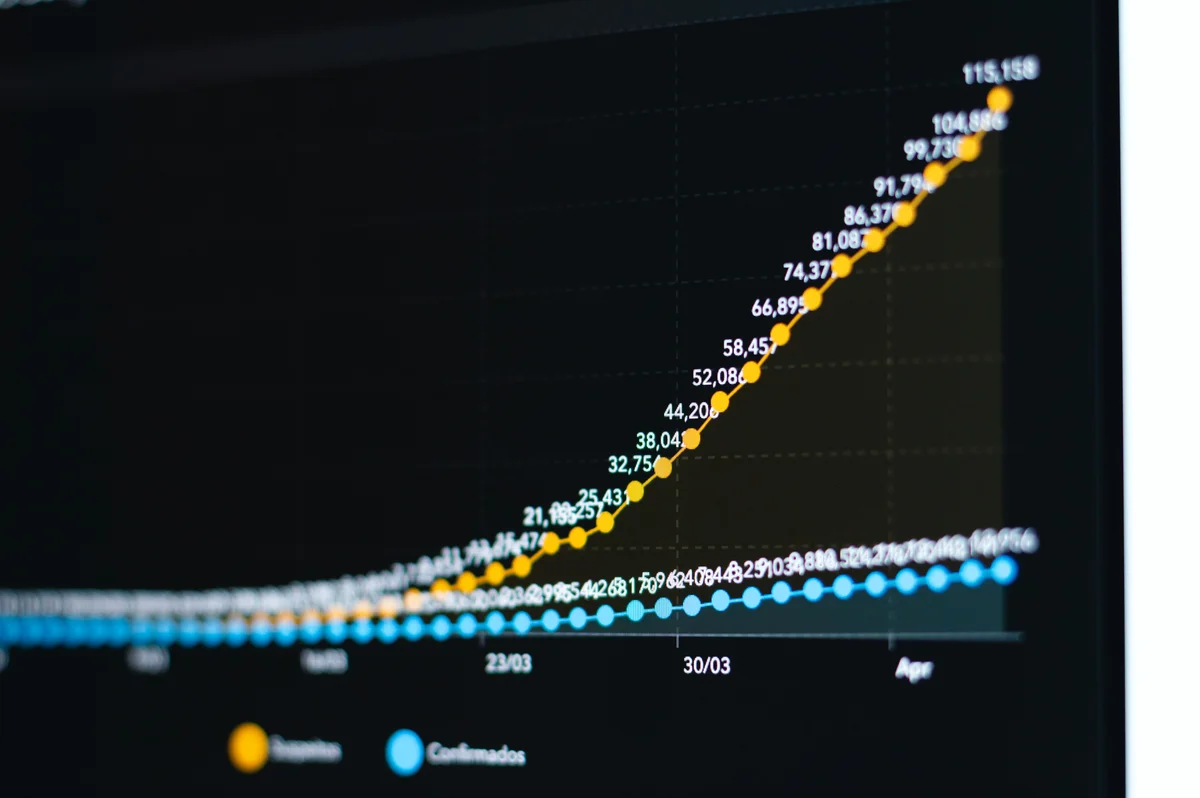
Comparison with Previous Core Updates
When comparing the March 2026 core update to previous updates, its 12-day completion is noteworthy. For instance, the December 2025 core update took 18 days. Other updates like June 2025 and March 2025 took 17 and 14 days, respectively. Only the December 2024 update was faster, finishing in just 6 days. This trend shows that Google is moving towards more efficient update rollouts. The speed of the March update may indicate that Google is improving its processes to ensure quicker improvements to search quality. Faster rollouts can benefit businesses by allowing them to adapt their SEO plans sooner. The March update was unique in that it followed two other significant updates within a short time frame. The spam update on March 24-25 was the shortest confirmed spam update in history, completed in under 20 hours. This smart sequencing suggests a focused approach to improving content quality. The implications of these comparisons are clear. Businesses must remain alert and adaptable as Google continues to refine its algorithms. Understanding the historical context of these updates allows website owners to anticipate future changes and adjust their plans accordingly.Advice for Analyzing Post-Update Performance
- Set a baseline: Review your website's performance metrics from the weeks leading up to March 27, 2026.
- Check Google Search Console: Use the Search Console to analyze your site's traffic and ranking changes after April 8, 2026.
- Compare metrics: Look for differences between pre-update and post-update performance, focusing on key metrics like clicks and impressions.
- Identify trends: Track any consistent changes over the following weeks to determine if the update's impact is lasting.
- Adjust content: Based on your findings, update or improve content that may have dropped in rankings.
- Monitor constantly: Keep an eye on performance and adjust your plan as Google releases more updates.
Insights on Google's Update Strategy
Google's update strategy appears to focus on improving content quality and relevance. The quick rollout of the March 2026 core update reflects a commitment to delivering better search experiences for users. This approach suggests that Google is constantly refining its algorithms to prioritize high-quality content. The sequencing of updates also indicates a smart method of addressing content quality. By implementing a spam update before the core update, Google may have aimed to clear out low-quality content that could interfere with the reassessment of quality signals. This strategy highlights the importance of maintaining high content standards. Google's lack of specific guidance with this update suggests a shift in focus. Instead of providing detailed instructions, Google seems to encourage website owners to focus on overall content quality. This change may reflect a desire for businesses to create more valuable content rather than merely adhering to specific guidelines. The implications of these insights are big for website owners and SEO professionals. Staying informed about how Google approaches updates can help businesses anticipate changes and adapt their plans well. Understanding the reasoning behind these updates is essential for long-term success in the ever-changing field of SEO.Frequently Asked Questions
What does the March 2026 core update mean for SEO?
The March 2026 core update represents a significant change in Google's search algorithm. This update was completed in just 12 days, highlighting its efficiency. According to the Google Search Status Dashboard, this speed is notable compared to previous updates. It means that businesses need to adapt quickly to maintain their search rankings. Website owners should focus on delivering high-quality content that meets user needs. Regularly reviewing SEO strategies is essential to keep up with these changes.
How can I analyze my website's performance post-update?
Analyzing your website's performance after the March 2026 core update is important. Start by reviewing your metrics from before the update to establish a baseline. Look for changes in traffic and rankings after April 8, 2026, to assess the impact. Google recommends waiting at least one week post-update for accurate insights. This allows you to differentiate between effects from the core update and the earlier spam update. Use this analysis to adjust your content strategy as needed.
When did the March 2026 core update start rolling out?
The March 2026 core update began rolling out on March 27, 2026, at 2:00 AM PT. This timeline is confirmed by the Google Search Status Dashboard. The update was completed in just 12 days, finishing on April 8, 2026. This swift rollout allows businesses to quickly assess changes in their SEO rankings. The timing is key for website owners to adapt their strategies effectively. Understanding this timeline helps in planning future updates.
What was unique about the March 2026 update?
The March 2026 core update is unique due to its rapid completion in 12 days. This speed is one of the fastest in Google's history, according to the Google Search Status Dashboard. It followed two other significant updates within five weeks, indicating a focused strategy. The sequencing of updates suggests a commitment to improving content quality. Businesses must adjust their strategies quickly to keep up with these changes. This update highlights the importance of continuous improvement in SEO practices.
How does the March update compare to previous updates?
The March 2026 core update compares favorably to previous updates due to its 12-day rollout. For instance, the December 2025 core update took 18 days, making March's update quicker. This trend indicates that Google is enhancing its update processes for efficiency. Recent updates have emphasized the importance of content quality and relevance. Businesses need to adapt swiftly to changes in rankings resulting from these updates. Understanding these comparisons can guide future SEO strategies. For background context, see Update on Wikipedia.