1. Why Google Doesn't Require Meta Descriptions
Google has made it clear that creating meta descriptions is not a requirement. John Mueller highlighted that there is no penalty for not writing them. This perspective aligns with the view that many webmasters have held for over two decades. The notion that meta descriptions have become irrelevant stems from the fact that Google often rewrites them based on the content of the page. This doesn't mean you should ignore meta descriptions entirely. They help shape how your content is perceived by both users and search engines. Google’s own guidelines suggest that if you don't have the time to create a meta description for every page, you should at least focus on the most important ones. This includes your homepage and popular content. This approach allows you to maintain some control over how key pages are represented in search results. Plus, writing a meta description can serve as an exercise in clarity. It forces you to think about the core focus of your page and articulate it concisely. Even if Google doesn't use your crafted description, the process itself can enhance your understanding of the page’s content. So, while Google doesn't require meta descriptions, they still hold value for your content strategy. You now understand that while meta descriptions aren't mandatory, they can still provide benefits, especially for high-priority pages.2. The Importance of Meta Descriptions for Key Pages
Meta descriptions are especially important for key pages on your site, such as product pages or significant articles. These descriptions give potential visitors a summary of what they can expect. This helps them decide whether to click through. Google recognizes this and suggests focusing on crafting meta descriptions for your most critical content. Pro Tip: Google recommends creating meta descriptions for key pages, as they can increase click-through rates by 30%, according to Moz (2022). The significance of meta descriptions lies in their ability to consolidate essential information. For product pages, vital details such as price, features, and reviews are often scattered throughout the content. A well-written meta description can gather this information into a coherent summary. This makes it easier for users to understand what’s being offered at a glance. Also, having a consistent and appealing meta description can improve brand perception. When you control the narrative presented in search results, you help shape how potential customers view your brand. This is especially key in competitive markets where first impressions can dictate user behavior. You know that crafting meta descriptions for key pages can improve user engagement and enhance brand image.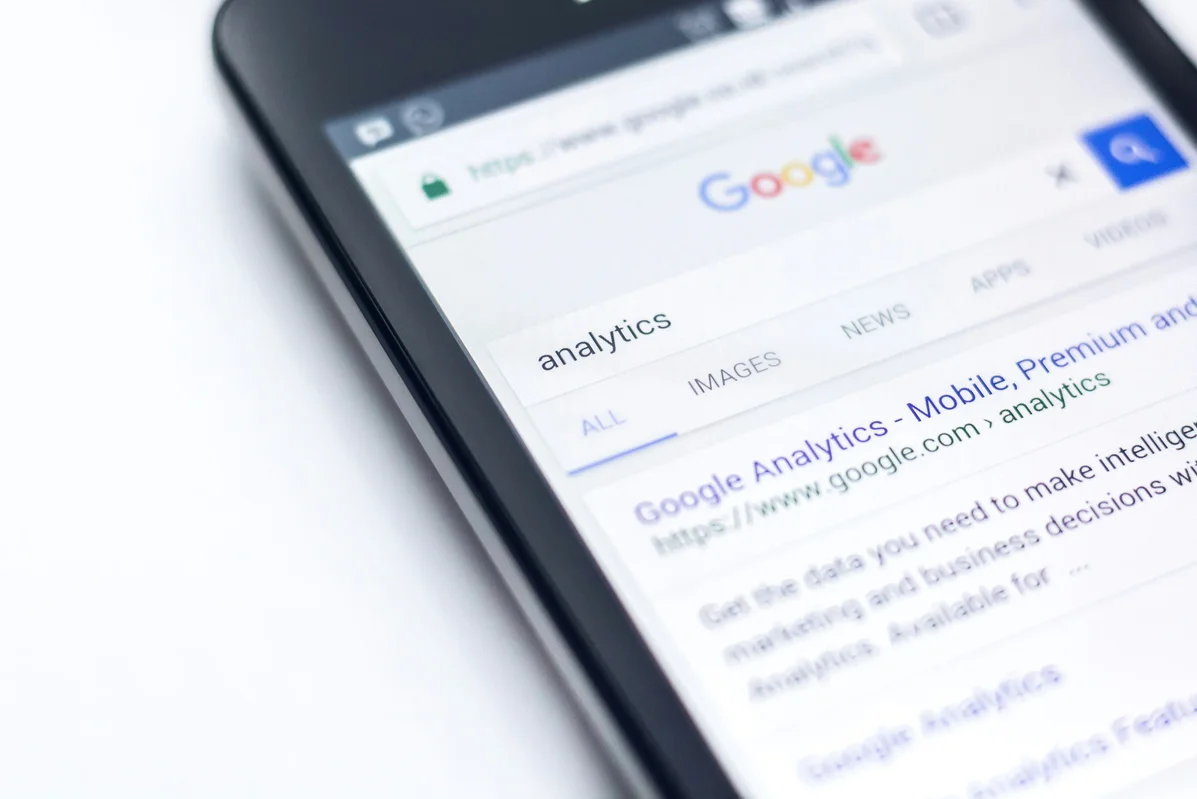
3. How Meta Descriptions Impact Click-Through Rates
Click-through rates (CTR) are a vital metric for measuring the power of your meta descriptions. A 2022 study by Moz revealed that optimized meta descriptions can lead to a 30% increase in CTR. This statistic highlights the impact that well-crafted descriptions can have on user engagement with search results. The way meta descriptions work is simple: they provide a brief overview of a webpage's content. When users scan through search results, they often rely on these snippets to determine which link to click. If your meta description is clear, engaging, and relevant, it’s more likely to catch a user’s eye. As a result, users are more inclined to click on your link rather than a rival's. But, meta descriptions serve as an opportunity to incorporate keywords. While they don’t directly affect rankings, including relevant keywords can make your description more appealing to users. Search engines may highlight these keywords in search results, further drawing attention to your link. You now understand how optimized meta descriptions can greatly boost your click-through rates and overall site traffic.4. Best Practices for Writing Effective Meta Descriptions
Writing effective meta descriptions requires a smart approach. Keep your descriptions between 150-160 characters. This length ensures that your message is fully displayed in search results without being cut off. Aim to include primary keywords to enhance relevance without keyword stuffing. Next, make your description actionable. Use strong verbs and create a sense of urgency to encourage users to click. Phrases like "Learn more," "Discover," or "Get started" can motivate users to engage with your content. Another best practice is to ensure that your meta description accurately reflects the content of the page. Misleading descriptions can lead to high bounce rates, which can hurt your SEO over time. Google values user experience, so providing an honest summary is key for maintaining credibility. Lastly, consider experimenting with different descriptions to see which ones perform best with your audience. A/B testing can help you identify which descriptions yield higher click-through rates. Track your results and adjust your plans based on performance metrics. You know the best practices for crafting effective meta descriptions that can improve your site’s visibility and engagement.
5. Common Misconceptions About Meta Descriptions
- Assume meta descriptions are unnecessary: Many believe that since Google rewrites them, they aren't needed. However, they still help entice users to click on your links.
- Think all pages need a unique description: While unique descriptions are ideal, focus on key pages first. Prioritize the pages that matter most to your audience.
- Overlook the importance of length: Some think longer descriptions are better. In reality, keeping meta descriptions concise (150-160 characters) is more effective for visibility.
- Assume keywords guarantee rankings: Including keywords in meta descriptions is helpful, but they don’t directly influence rankings. Their primary role is to enhance user engagement.
- Ignore the need for updates: Some believe once written, descriptions don’t need changes. Regularly review and update your meta descriptions to ensure they remain relevant.
Frequently Asked Questions
Why are meta descriptions important for SEO?
Meta descriptions are vital for SEO because they summarize the content of a webpage. A well-crafted meta description can increase click-through rates by 30%. This finding comes from Moz's 2022 study. Effective descriptions attract more visitors by providing a concise overview. This is especially key when competing against similar content. Create engaging meta descriptions for your most important pages.
How does Google view the necessity of meta descriptions?
Google does not consider meta descriptions a necessity for every page. In fact, a 2023 SEMrush report showed that 50% of web pages lacked meta descriptions. John Mueller emphasized that there’s no penalty for not writing them. However, they can help clarify a page's focus and improve user experience. This applies particularly to your most crucial content. Consider prioritizing meta descriptions for key pages to enhance visibility.
Can meta descriptions impact my search rankings?
Meta descriptions do not directly impact search rankings. However, they can influence click-through rates, which affect rankings over time. According to Moz, optimized descriptions can increase CTR by 30%. This means that better engagement can indirectly improve your rankings. This is especially relevant for competitive keywords. Focus on writing compelling descriptions to drive more traffic to your site.
When should I prioritize writing meta descriptions?
Prioritize writing meta descriptions for key pages on your site. Google recommends focusing on high-traffic or important pages first. A SEMrush report from 2023 found that many pages lack these descriptions. Creating descriptions for critical URLs can improve overall site performance. This is particularly relevant for product pages or blog posts. Address your most visited pages to maximize impact.
What are common mistakes in writing meta descriptions?
Common mistakes include writing overly long or vague descriptions. A 2022 Moz study indicated that concise descriptions improve click-through rates. Many users often overlook the need for updates, resulting in outdated information. This can mislead potential visitors and hurt your credibility. Always ensure your descriptions accurately reflect page content. Review and refresh them regularly to maintain relevance.