
1. Track Which AI Platforms Drive Your Leads
Identifying which AI platforms influence your leads is key. Each AI tool has its unique logic and audience, affecting how it drives traffic to your business. For example, ChatGPT accounts for over 90% of AI-referred leads, especially in industries like healthcare. So, if you’re in healthcare, you should focus on visibility on this platform. Understanding the differences between AI platforms can help you focus your marketing efforts. Perplexity, for instance, might only account for 6.3% of AI leads, but it performs well in high-consideration sectors like travel and manufacturing. For businesses in these sectors, tuning into Perplexity's output is vital. Meanwhile, Google's Gemini, with 2.4% of AI leads, is gaining traction in business services due to its integration with Google Workspace. To track which AI platforms drive your leads, test your visibility on these tools. Go to platforms like ChatGPT, Perplexity, and Gemini. Ask them questions related to your business, such as, "Who offers the best [your service] in [your area]?" Monitor which rivals are recommended and analyze their content. This will help you identify gaps in your online presence. Once you know which platforms are most good, align your SEO plan accordingly. Focus on creating content that addresses questions users are asking on these platforms. This will help improve your rankings in AI-generated recommendations and drive more traffic to your website.2. Understand Consumer Intent in AI Interactions
Understanding consumer intent is key in AI interactions. Unlike traditional searchers, AI users often have specific goals when they seek information. AI tools like ChatGPT and Perplexity streamline the research phase, compressing it into quick interactions. So, businesses need to prepare for faster decision-making from potential customers. For instance, a customer using an AI tool might ask for recommendations on the best local contractors. If your business isn’t optimized for such queries, you could lose potential leads. AI platforms provide instant, vetted information, which means users are more likely to trust the recommendations they receive. To tap into this consumer behavior, focus on creating content that gives clear, concise answers. This content should target specific questions potential customers might ask. For example, if you’re in a competitive market, consider producing detailed FAQ sections or comparison guides. This approach can help your business become more visible in AI-generated responses. Also, consider how AI tools are reshaping traditional customer journeys. Callers from AI search often show higher sales intent, moving quickly from research to conversion. So, you must be ready to respond to inquiries promptly. Using a strong follow-up system can help capture these leads well. By understanding consumer intent, businesses can tailor their messaging and offerings to better meet customer needs.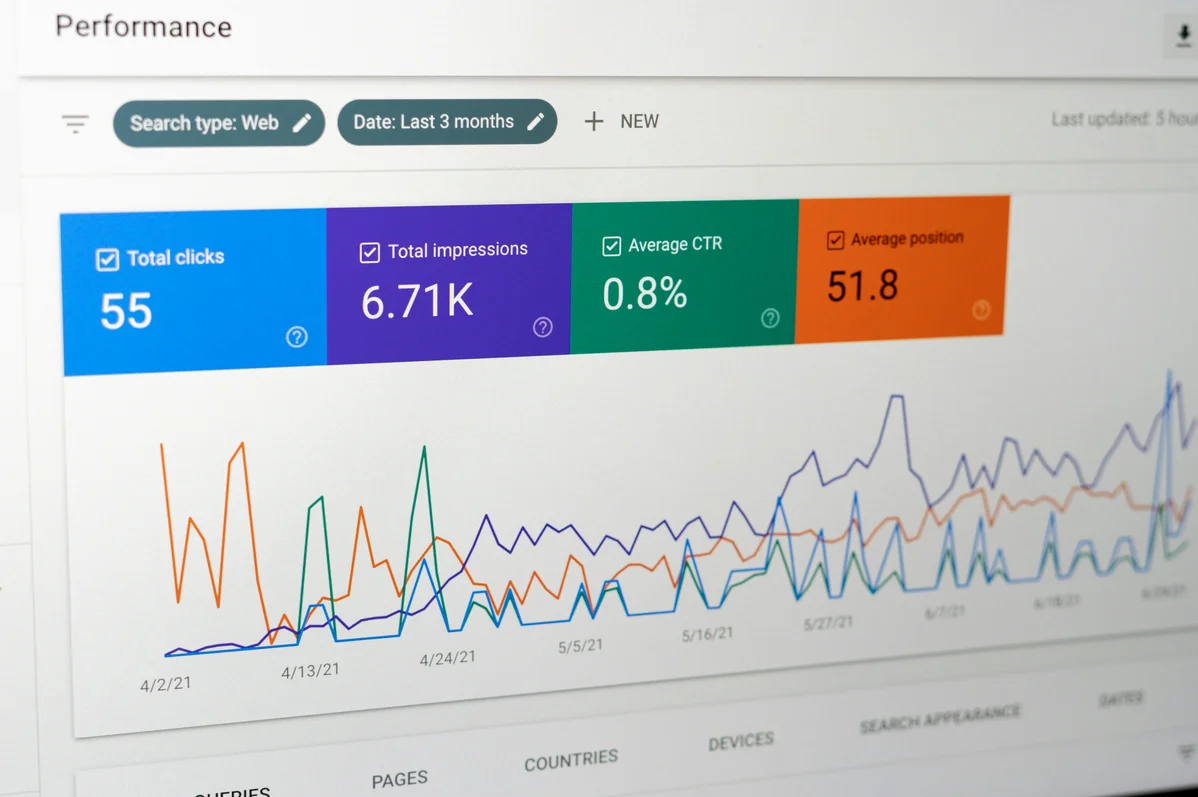
3. Connect AI Leads to Revenue Well
Connecting AI-driven leads to actual revenue is vital for businesses. Most marketing efforts focus on clicks and impressions. However, the real goal should be to convert those interactions into sales. AI tools are changing the process by driving high-intent traffic that can lead to faster conversions. To connect these leads to revenue, you must track the customer journey closely. Use analytics tools to monitor which AI platforms are generating leads and how those leads progress through your sales funnel. This will help you identify which plans work best in converting AI-driven leads into paying customers. For example, if you notice that leads from ChatGPT convert at a higher rate than those from Gemini, focus your resources on optimizing the ChatGPT experience. Create targeted follow-up plans for leads generated through ChatGPT inquiries. You might implement tailored email campaigns that address specific needs expressed during the AI interaction. Also, create a feedback loop that allows you to assess the value of AI leads over time. This might involve setting up calls or surveys to gather insights on what leads value most about your service. Understanding this will help you refine your approach and improve your overall conversion rates. Businesses that can well connect AI leads to revenue stand to gain a big advantage. As AI continues to reshape lead generation, staying ahead of these trends matters for lasting success.Frequently Asked Questions
How can SEO teams use AI for lead generation?
SEO teams can use AI tools to analyze consumer behavior, track leads, and improve content for better visibility.
What impact does AI have on customer intent in lead generation?
AI enhances customer intent by providing instant, vetted information, leading to quicker decision-making and higher conversion rates.
When should PPC teams adjust their plans to include AI?
PPC teams should adapt their plans now, as AI is already influencing lead generation and customer interactions.
Can AI search tools improve revenue for small businesses?
Yes, AI search tools can drive high-intent calls that convert faster, ultimately boosting revenue for small businesses.
Why is the traditional marketing funnel collapsing?
The traditional marketing funnel is collapsing because AI tools streamline the lead journey, reducing the time spent in each stage. For background context, see Generation gap on Wikipedia.