1. How AI Overviews Affect Search Engine Results
AI Overviews basically change how users interact with search results. These summaries appear at the top of Google's search results, above both organic links and paid ads. When a user sees an AI Overview, they get immediate answers to their questions without needing to click on a website. This behavior reduces CTR for sites that would normally be clicked. According to MentionThis, AI Overviews have led to a drop in CTR for position-one content. This trend shows that even high-ranking sites can suffer when Google provides direct answers. For example, searches about common topics like "What is Bollywood?" often display AI-generated responses. Even recognized brands struggle to maintain clicks when users find answers directly on the search results page. This shift is big as McKinsey reports that half of Google's results now feature AI-powered tools. Predictions indicate that this could rise to 75% by 2028. The implications are clear: if you rely on organic traffic, your approach must change. Brands need to rethink how they create content to ensure visibility in this new place. Emphasizing high-quality, detailed content is key. As user behavior shifts, understanding these changes can help marketers adapt and thrive.2. Measuring the Impact of AI on Your Website Traffic
Measuring the impact of AI on web traffic is essential for marketers. Click-through rates are a key metric to watch. By analyzing your website's traffic reports, you can see how AI Overviews affect your site's visits. If you notice a dip in CTR, it may be due to AI summaries answering user queries directly. Tools like Google Analytics provide insights into your site's performance. You should track the sources of your traffic closely. If a growing portion of your visits comes from AI-generated responses, it’s time to adjust your plan. For instance, consider how many clicks your site receives for specific keywords. If these keywords are often answered by AI Overviews, your CTR will likely decline. Adjusting your content plan is also vital. Focusing on creating detailed, branded content can help retain clicks. A study from Seer Interactive highlighted that organic CTR for AI Overview queries fell by 61% from mid-2024 to late 2025. This is a stark reminder of the need for constant monitoring and adjustment. You want to ensure that your content captures attention in a crowded field.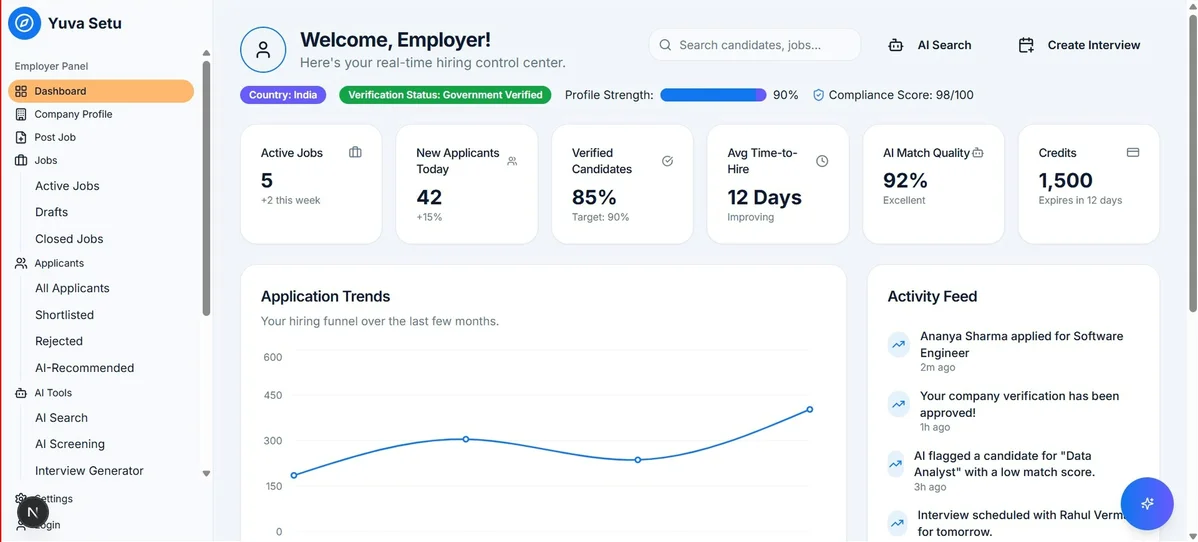
3. Which Queries Are Most Affected by AI Traffic Trends?
Not all queries are equally impacted by AI Overviews. Simple fact-based questions are more likely to trigger zero-click results. For example, searches for basic definitions or statistics often return direct answers from AI. In contrast, detailed queries, especially branded ones, tend to generate more clicks. Users seem to prefer clicking through when they seek deeper insights or comparisons. This trend suggests that marketers should focus on the type of content they produce. Questions that require more than just a simple answer are more likely to drive clicks. For instance, users searching for "best smartphones" may be more inclined to click on links that provide detailed reviews and comparisons. Understanding user intent is critical. If you recognize that users are moving away from simple queries, you can design your content accordingly. Marketers need to create more in-depth articles that address specific user needs. This can help capture clicks even in an AI-driven search environment. By focusing on richer content, you can align your plan with evolving user behavior.4. Plans to Adapt to Changes in Web Traffic
Adapting to the changes in web traffic caused by AI Overviews requires a smart approach. One good plan is to improve your content for AI-generated responses. This means crafting content that directly answers likely questions users ask. For example, using structured data can improve how search engines read and display your content. This, in turn, increases the chances of being featured in AI Overviews. Also, consider enhancing your website's Q&A sections. Providing clear, concise answers to common questions can make your content more appealing to both users and search engines. Marketers should focus on creating high-quality, trustworthy content that attracts links and citations. This can help improve your site's visibility in the long run. Another tactic involves using social media marketing. Engaging with users on platforms where they seek information can help drive traffic back to your site. Creating shareable content can also encourage users to click through to your site for more details. Using these plans, you can reduce the decline in CTR and maintain user use.
5. FAQs About AI's Impact on Organic Traffic
What are AI Overviews and how do they work?
AI Overviews are features that provide direct answers on search engine results pages. They reduce the need for users to click on websites, affecting organic traffic.How can marketers measure AI's impact on web traffic?
Marketers can analyze click-through rates and traffic patterns to assess how AI Overviews affect site visits. Monitoring tools like Google Analytics can help track these changes.Is traffic loss from AI Overviews temporary or permanent?
While some traffic may decline, specific queries still drive clicks. This indicates a shift in user behavior rather than a total loss of traffic.What types of queries are most affected by AI Overviews?
Simple fact-based queries often trigger zero-click results. In contrast, detailed queries are more likely to earn clicks as users seek depth and validation.What plans can help reduce the impact of AI on organic traffic?
Adapting content plans to focus on detailed, branded queries can help maintain click-through rates. Creating structured data and enhancing Q&A sections are also good.Frequently Asked Questions
What are AI Overviews and how do they work?
AI Overviews are features that provide direct answers on search engine results pages, reducing the need for users to click on websites.
How can marketers measure AI's impact on web traffic?
Marketers can analyze click-through rates and traffic patterns to assess how AI Overviews affect their site visits.
Is traffic loss from AI Overviews temporary or permanent?
While some traffic may decline, specific queries still drive clicks, indicating a shift rather than a total loss.
What types of queries are most affected by AI Overviews?
Simple fact-based queries often trigger zero-click results, while detailed queries are more likely to earn clicks.
What plans can help reduce the impact of AI on organic traffic?
Adapting content plans to focus on detailed, branded queries can help maintain click-through rates. For background context, see Web traffic on Wikipedia.